You have things you want to do. Ideas you care about. Work you know you are capable of doing. But before you can get started, worry fills the space.
What if you get it wrong? What if someone is disappointed? What if you have already taken on too much?
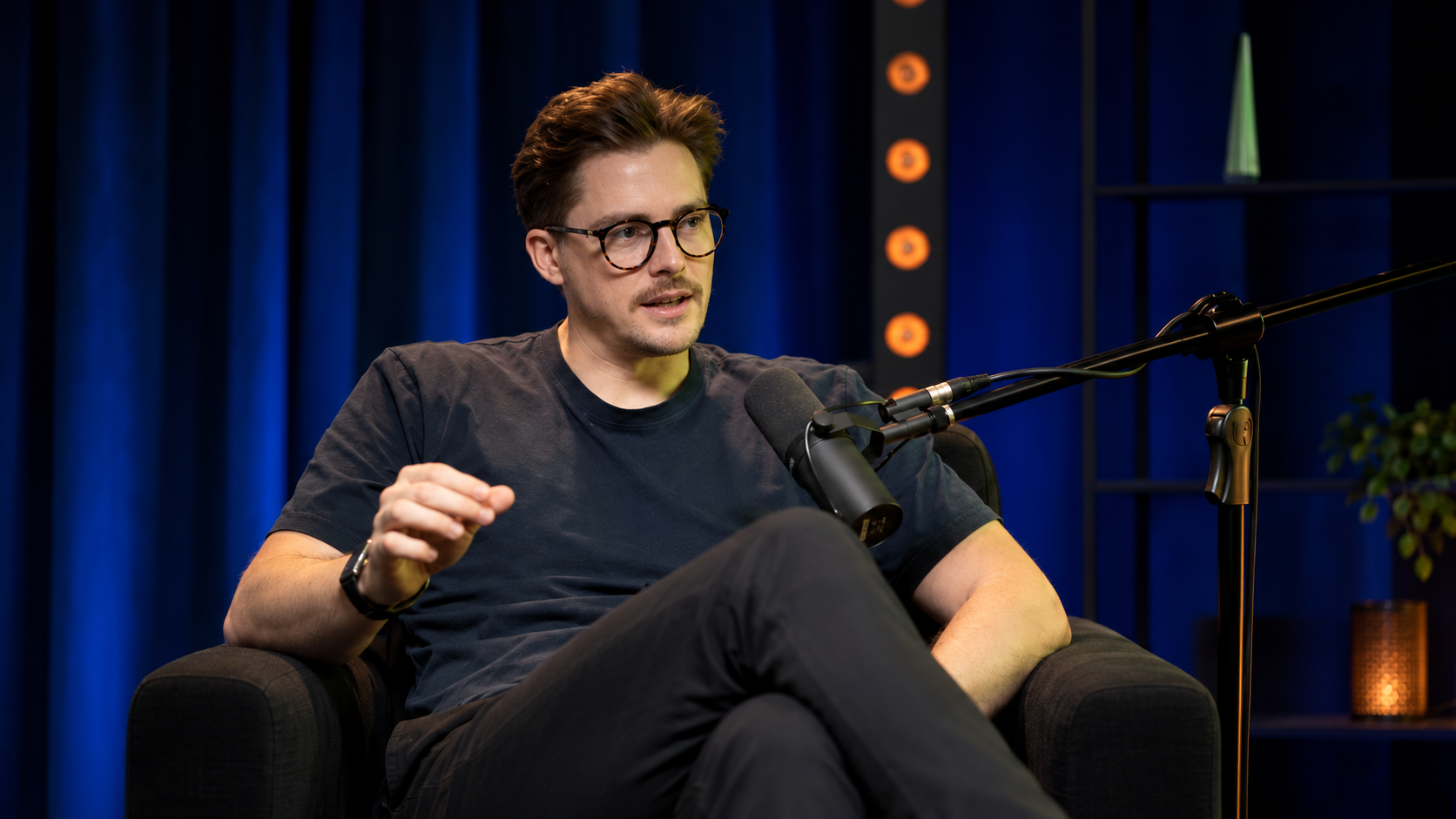
In his conversation on ADHD Chatter, Dr Alex George discusses how he manages anxiety alongside ADHD. He describes changes to his environment, daily routines and the way he responds to his thoughts, and explains why finding what works for him has mattered so much.
Start with the environment
One of the most revealing parts of the conversation comes before the practical tips.
Dr George describes struggling at school, where sitting through lessons and learning in a prescribed way was difficult. Medical school offered something different: more self-directed learning, practical experience and freedom over how he covered the material.
He says his anxiety reduced considerably in that environment.
That experience raises a useful question: what is happening around you when anxiety becomes harder to manage?
For him, having more control over how he learned made a difference. Later in life, he describes creating similar flexibility in his work, including space to take breaks and approach tasks differently depending on his energy and concentration.
His experience highlights how much the setting can matter alongside the task itself.
Zoom out, zoom in
Dr George describes a mental exercise he calls "zoom out, zoom in."
He imagines the scale of the universe, then Earth, then the country he lives in, before returning to himself sitting in a room.
He says this helps him recognise that a problem which feels all-consuming still exists within a much bigger world. The worry may remain, but his perspective on it changes.
He connects this with spending time outdoors. Walking in nature draws his attention towards his surroundings and helps him feel grounded. His morning walk has become an important part of his routine.
Remembering how you feel
Another theme is the gap between wanting to do something and appreciating its effect afterwards.
Dr George describes recording himself on a day when he did not want to exercise. Before going to the gym, he spoke to the camera about his reluctance. Afterwards, he recorded how he felt walking home.
The difference was visible to him: he looked and felt more energised and positive.
That recording became a reminder for future days when starting felt difficult. He could look back at his own experience instead of relying on how he felt in that particular moment.
He also describes using this forward-looking approach when making other choices: considering tomorrow's experience, or the longer-term effect, before deciding what to do now.
Making space for yourself
Finding time was part of the process too.
Dr George explains that he checked his phone's screen-time figures and reduced the time he allowed himself on it. That gave him more room for activities he wanted to prioritise.
He talks about exercise, walking, reading and other forms of self-care as ways of investing in himself. His routine also includes cold showers, which he personally associates with feeling calmer and ready for the day.
The wider point is that he deliberately created space for the things he found helpful. His particular combination reflects his own experience and circumstances.
Thoughts aren't always facts
Later in the interview, the conversation turns to rejection and the stories people build around uncertain situations.
Dr George gives an example of seeing an interaction, assuming something upsetting is happening, and then discovering an entirely ordinary explanation.
He describes learning to recognise thoughts as thoughts: something he can notice without automatically believing or following.
The conversation becomes especially relatable when host Alex Partridge mentions being asked for a meeting without any context. His mind can jump straight to the worst possible explanation.
Partridge says he now asks for a brief summary of what the meeting concerns. Dr George agrees that explaining why the uncertainty causes anxiety can help other people understand.
It is a practical example of asking for information rather than spending hours trying to guess.
Building your own toolkit
Throughout the discussion, Dr George returns to the idea of a personal toolkit.
For him, that includes:
- Movement and exercise
- Time in nature
- Changes to his routine
- A different relationship with his thoughts
He also discusses therapy as something that has helped him with rejection sensitivity.
These are experiences to consider, rather than a guaranteed formula. The useful thread running through the conversation is curiosity: noticing what makes life harder, recognising what helps, and adapting those discoveries to your own circumstances.
Watch the full conversation
Dr Alex George's 5 Tips That WILL Improve Your Anxiety, ADHD Chatter
This article reflects selected experiences and ideas shared in the interview. It is not a clinical review of the episode's medical claims.
This is one person’s real experience with health professionals. NHS and private services vary by area, and what happened here may not happen to you. It is not medical advice, so please talk to your own GP or care team about your situation.