Why they overlap
ADHD and anxiety turn up together a lot. The NHS page on ADHD in adults says people with ADHD may be more likely to have mental health issues such as anxiety and depression, and that anxiety and depression can make ADHD symptoms worse.
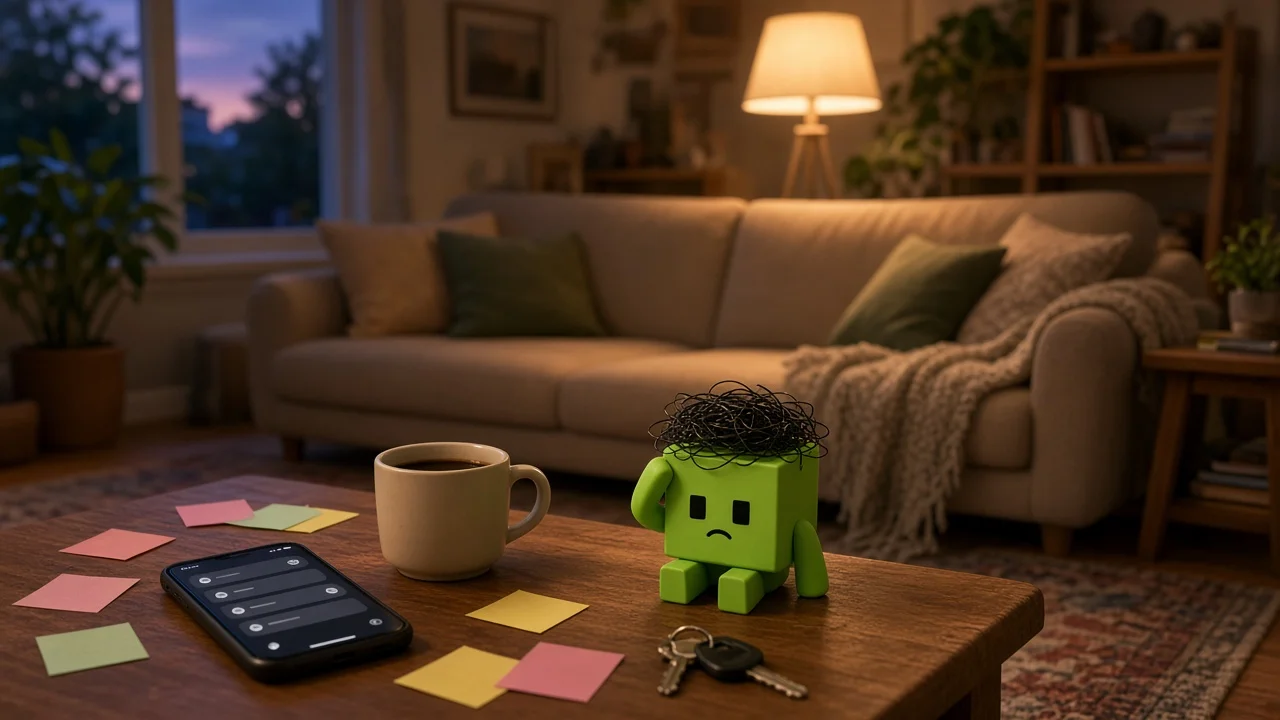
Picture a normal week. You forget a deadline, miss a text, lose your keys twice and only just make it to an appointment. After enough weeks like that, it makes sense that part of your brain starts bracing for the next thing to go wrong.
How they feel different
Anxiety and ADHD can look surprisingly similar from the outside. The NHS lists feeling restless, irritable or finding it hard to concentrate, along with difficulty sleeping, as possible symptoms of generalised anxiety disorder, and all of those can show up with ADHD too.
One rough way to think about it: with anxiety, your attention tends to get pulled towards worries, while with ADHD it drifts to whatever is most interesting, worried or not. That's an everyday observation, not a test you can do on yourself, and it's one reason the NHS says an ADHD assessment may consider other conditions, including anxiety, that could explain your symptoms.
What research shows
A large 2023 review of adult studies pooled data from more than 550,000 adults with ADHD and over 14.5 million without. Adults with ADHD had around five times the odds of having an anxiety disorder. That held for both men and women, with anxiety more common in women, as it is in the general population.
What the review doesn't tell you is why, or whether one causes the other. It shows the overlap is real and common, not that anxiety is inevitable if you have ADHD.
The worry loop
This bit is everyday observation rather than settled science, but plenty of people with ADHD will recognise it. You forget something, so you start checking everything three times. The checking eats time and energy, you fall behind, and now there's more to worry about.
Or the fear of getting something wrong makes a task feel bigger, so you put it off, and the delay makes the worry louder. Worry also takes up the same headspace you need for remembering and planning, which may be part of why the NHS says anxiety can make ADHD symptoms worse.
What can help
None of this replaces proper support, but a few practical changes can take some pressure off the loop. These are everyday ideas, not treatment.
Get the worries out of your head
When your brain is looping on three things you might have forgotten, write them down. One note on your phone called "Worrying about" is enough. Next to each one, put the next physical step, like "check bank app" or "reply to Sam". A vague sense of dread is hard to act on. A written step usually isn't.
Let reminders do the remembering
A lot of ADHD-flavoured anxiety is the fear of forgetting. Set a phone reminder for anything with a date, with a second alert the day before, not just on the day. Once something is in the system, you're allowed to stop rehearsing it in your head.
Separate tired from worried
You'll probably notice anxiety and ADHD both get louder when you're short on sleep, hungry or running on caffeine. NHS advice on generalised anxiety mentions that lots of coffee, tea, cola or energy drinks can disrupt your sleep and make anxiety harder to control. If your worst spirals hit late at night or after your fourth coffee, that's useful information, not a character flaw.
Make the first step small
When worry makes a job feel huge, shrink the start until it's almost silly. Open the email without replying. Put the form on the table. Doing something tiny often calms the dread more than another hour of thinking about it.
Getting support
If anxiety or ADHD symptoms are affecting your work, relationships or sleep, speak to a GP. If you're 18 or over in England, the NHS says you can also refer yourself to an NHS talking therapies service for anxiety without going through a GP first.
If you already take ADHD medication and think it's affecting your anxiety, talk to your prescriber rather than changing anything yourself. NICE guidance on ADHD says people with ADHD and an anxiety disorder should be offered the same medication choices as others with ADHD, with slower dose changes and closer monitoring. If you're struggling to cope or having thoughts of harming yourself, call Samaritans on 116 123 or contact NHS 111.
This information is for general education and is not personalised medical advice. Treatment and prescribing decisions belong to qualified healthcare professionals.