B12 injections and ADHD
ADHD and vitamin B12 get mentioned together a lot online, usually by someone with something to sell. You're flagging by mid-afternoon, you've read the same email four times and can't remember why you walked into the kitchen. Then a clinic on Instagram offers a "B12 shot" for energy and focus, or a website sells methylcobalamin injection kits. The honest version is that low B12 can cause problems that look like ADHD, but B12 hasn't been shown to treat ADHD.
What vitamin B12 does
The NHS says B12 helps your body make red blood cells, keep the nervous system healthy, release energy from food and use folate. It isn't found naturally in fruit, vegetables or grains, so it mainly comes from meat, fish, milk, cheese and eggs, or fortified foods. Adults need about 1.5 micrograms a day. Your body keeps a decent store, so the US Office of Dietary Supplements (ODS) says a deficiency can take years to show.
The different B12 forms
Methylcobalamin is one of the two forms your body actually uses. Hydroxocobalamin and cyanocobalamin are converted into those active forms once they're inside you. Sellers often call methylcobalamin the natural or better absorbed option, but the ODS says there's no evidence that absorption from supplements varies by form. NICE says over-the-counter tablets containing cyanocobalamin, methylcobalamin or adenosylcobalamin are all suitable types.
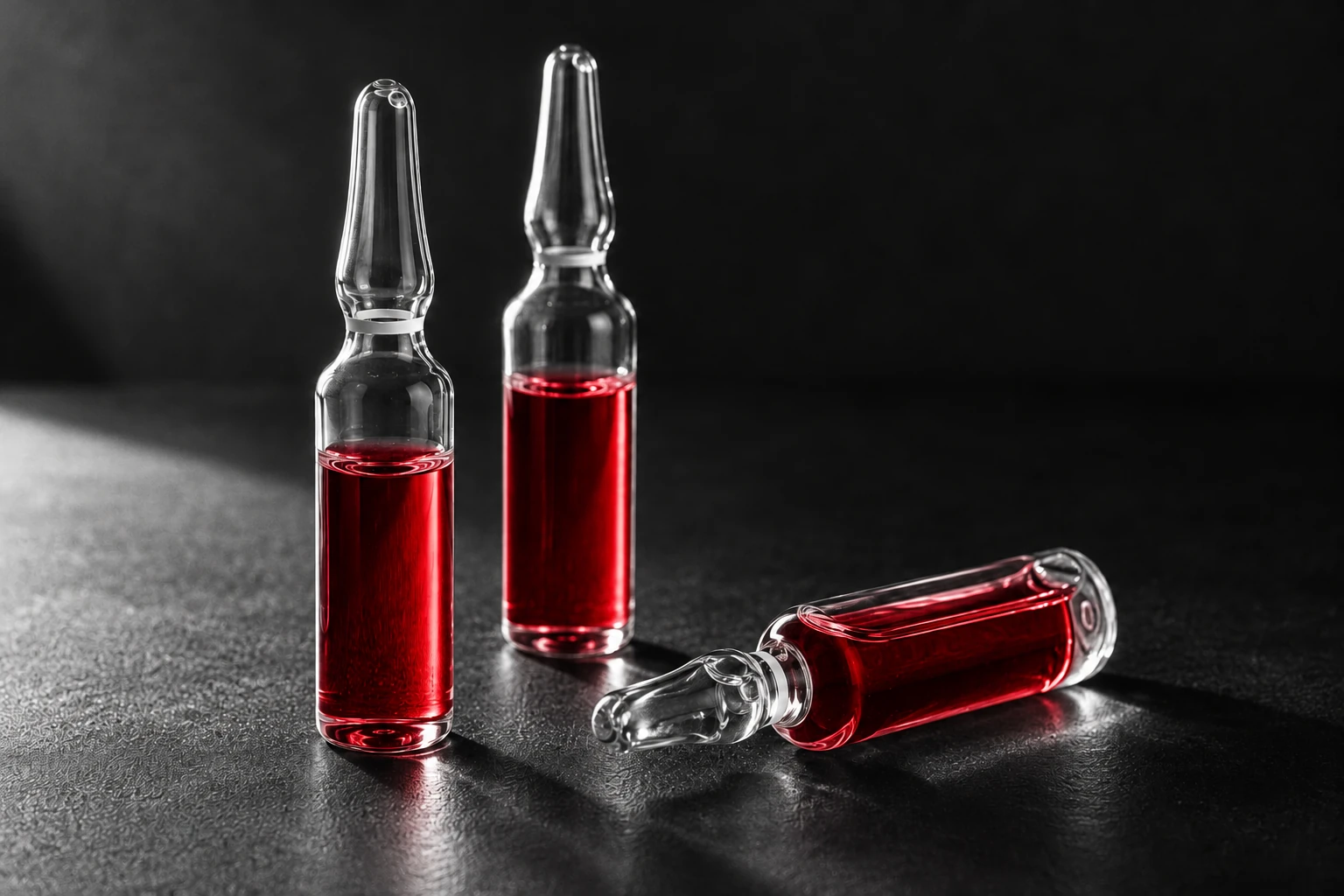
Injections are a different story. The NHS uses hydroxocobalamin, which it prefers to cyanocobalamin because it stays in the body for longer. The medicines regulator, the MHRA, has confirmed there's no licensed methylcobalamin injection in the UK. A doctor can still prescribe one as an unlicensed medicine if they decide a patient needs it, but they take full responsibility for that decision.
Where symptoms overlap ADHD
This is why B12 is worth knowing about if you have ADHD or think you might. The NHS lists extreme tiredness, lack of energy, low mood or anxiety, and problems with memory, understanding and judgement as possible signs of deficiency. The NICE guideline on vitamin B12 deficiency, published in 2024, adds difficulty concentrating, short-term memory loss and what people often call brain fog.
Some signs look much less like ADHD and are worth taking seriously: pins and needles or numbness, a sore red tongue, mouth ulcers, muscle weakness, balance problems and changes in your eyesight. NICE stresses that these symptoms are shared with lots of other conditions, so none of them proves anything on its own. That cuts both ways. Low B12 can be mistaken for ADHD, and ADHD can be wrongly blamed on B12.
Who's more at risk
The NHS says the most common cause in the UK is pernicious anaemia, where your immune system stops you absorbing B12 from food. NICE now calls this autoimmune gastritis. Diet is the other big one. Plants don't provide B12, so vegans need fortified foods or a supplement. The NHS points to fortified breakfast cereals, some yeast extracts and soya products, and fortified nutritional yeast is another option. Check the label, as not every brand adds it.
Medicines matter too. The MHRA says metformin commonly lowers B12, and NICE also lists indigestion medicines called proton pump inhibitors (PPIs), such as omeprazole and lansoprazole, plus H2 blockers, pregabalin and topiramate. Gut surgery, coeliac disease, recreational nitrous oxide and age all raise the risk. The NHS says around 1 in 10 people aged 75 or over have a B12 or folate deficiency. NICE also flags restricted diets and finding it hard to buy or prepare food.
What ADHD research shows
Some studies have found lower B12 in children with ADHD. A 2023 review pooling seven studies of 1,030 children and teenagers found a small difference, but it was fragile: removing almost any single study made it disappear. In adults, a Norwegian study of 264 people found no B12 difference between those with and without ADHD, though it found lower vitamins B2, B6 and folate. A small 2026 Turkish study of 35 adults did find lower B12, so it's mixed.
Even where a gap shows up, these studies can't tell you whether low B12 plays any part in ADHD or simply reflects diet. There don't appear to be any published trials of B12 injections, methylcobalamin or otherwise, as an ADHD treatment. The methylcobalamin injection trial that gets quoted was in 57 autistic children: doctors rated more improvement than with placebo, but parents' ratings didn't differ. B12 isn't mentioned in the NICE guideline on ADHD.
Injections on the NHS
On the NHS, B12 injections treat a diagnosed deficiency. They're not a pick-me-up. The BNF, the reference doctors prescribe from, says the deficiency should be confirmed before hydroxocobalamin is given. The NHS guide to treating B12 deficiency says your GP or nurse gives the first injections every other day. If diet is the cause, you may move to daily tablets or a jab twice a year. Absorption problems usually mean an injection every 2 to 3 months for life.
NICE says symptoms can start to improve within 2 weeks, but it may take up to 3 months, and longer to clear completely. If you've had nerve symptoms such as numbness or tingling in your hands and feet, the NHS says you'll be referred to a haematologist, a blood specialist, and may need injections more often. You should also be told to get help straight away if symptoms return or get worse.
Private shots and kits
Private clinics, salons and IV drip bars offer B12 jabs, and some websites sell vials with needles and syringes for home use. Licensed B12 injections are prescription-only medicines in the UK, so a prescriber has to be involved and they can't legally be advertised to the public. The Advertising Standards Authority has upheld complaints against beauty clinics, social media posts and an Etsy listing for doing just that. A proper clinic should assess you first.
Kits bought online are a gamble. The MHRA warns that websites selling medicines illegally may offer products that are unauthorised, fake or could put your health at risk. Topping up yourself can also muddy the waters, as NICE says over-the-counter B12, including injections, can raise blood levels without fully treating a deficiency. That matters most with pernicious anaemia, which needs lifelong treatment. The MHRA also says B12 can trigger allergic reactions in people with a cobalt allergy.
Getting a blood test
If this sounds like you, see your GP before buying anything. NICE says GPs should offer a B12 test to people with at least one common symptom, such as unexplained fatigue or brain fog, plus a risk factor such as a vegan diet, metformin or a PPI. It's an ordinary blood test measuring total B12 or active B12. Have it before starting supplements, and mention any B12 you already take, including multivitamins.
NICE treats a total B12 below 180 ng/L as a confirmed deficiency, 180 to 350 as a grey area and above 350 as unlikely. Ask which test you had and what the number was, whether a grey-area result needs a follow-up test called MMA, whether your medicines affect B12, and whether you should be checked for pernicious anaemia. A normal blood count doesn't rule it out, as NICE says you don't need to be anaemic.
Before you try anything
Get tested first, then treat whatever the test finds. If you're vegan, sort out a reliable source now, whether that's fortified foods every day or a supplement, and mention it to your GP. If you take metformin or a PPI, ask whether your B12 should be checked, and don't stop either medicine on your own. If your B12 is normal but focus and tiredness are still a problem, keep pushing for answers rather than paying for injections.
This information is for general education and is not personalised medical advice. Treatment and prescribing decisions belong to qualified healthcare professionals.