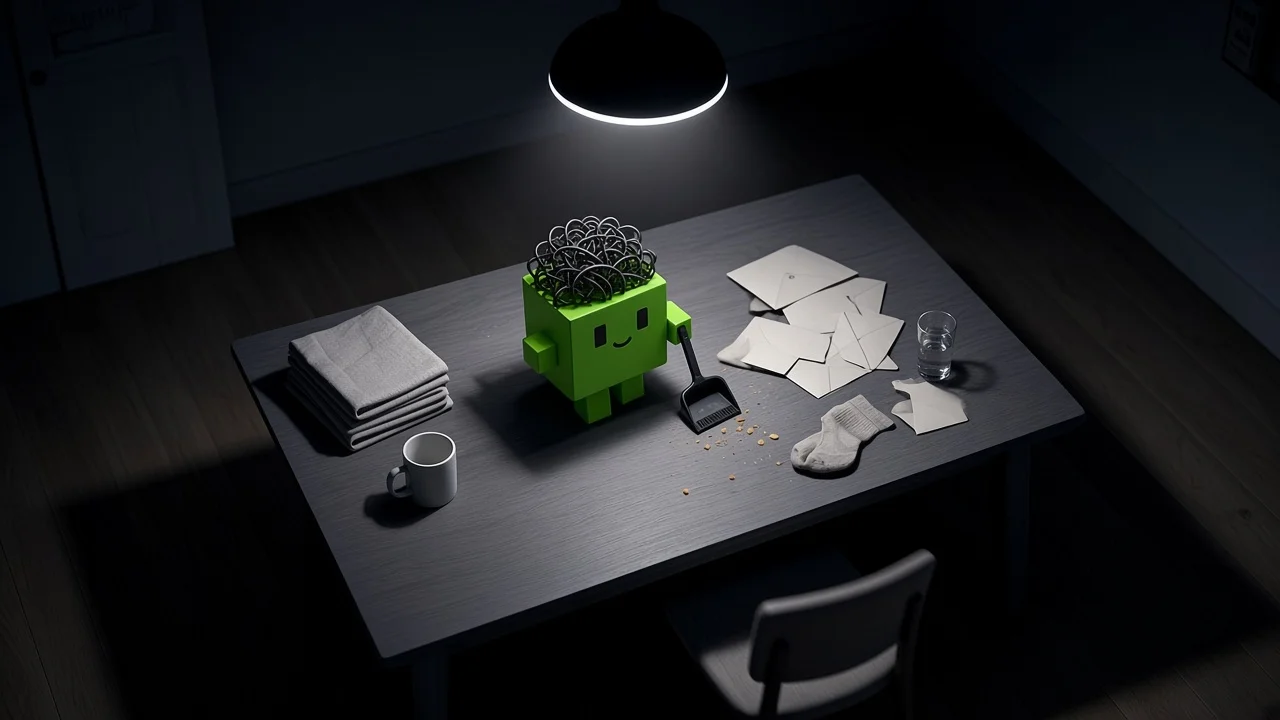
The housework standoff
ADHD and sharing housework can turn into one of the biggest sore points in a relationship. One of you notices the overflowing bin, the empty loo roll holder and the bills on the side. The other genuinely means to help but doesn't see the mess until it's pointed out, then gets halfway through emptying the dishwasher and wanders off.
After a while, one partner feels like the household manager and the other feels like they're constantly being told off. Neither of you signed up for that.
Why jobs slip
Housework isn't hard to understand, but it relies on the things ADHD makes harder. The NHS lists being easily distracted or forgetful, finding it hard to organise your time and finding it hard to finish tasks among the common signs in adults.
Most chores have no deadline and nothing exciting about them, so they're easy to put off. Plenty of jobs also need noticing first. If the overflowing laundry basket doesn't register as a problem, you're not going to deal with it, however willing you are.
What research shows
Research on ADHD and relationships tends to look at satisfaction and conflict rather than housework specifically. In a 2004 study of married couples, 33 adults with ADHD reported poorer marital adjustment and more family problems than 26 adults without ADHD, and the researchers used interviews to explore how spouses compensated for their partner's difficulties.
A 2021 review by Wymbs and colleagues found that adults with ADHD tend to have shorter and more strained romantic relationships, but said there's been relatively little research on what causes those problems or what helps. So the "parent and child" pattern is something couples describe a lot, not something that's been measured in detail.
How the pattern builds
From the outside, it often goes like this. One partner starts reminding, then checking, then quietly redoing jobs because it's quicker than asking again. The other starts to feel watched and criticised, so every reminder lands as nagging and they get defensive or avoid the job altogether.
The reminding partner is now doing more and resenting it, and the partner with ADHD feels like they can't do anything right. Nobody is the villain here. It's two people stuck in a loop that neither of you chose.
Making it fairer
The aim isn't a spotless house. It's sharing the work so it gets done without one of you having to be the reminder.
Own whole jobs, not bits of them
Instead of "help with the bins", one of you owns the bins completely: noticing when they're full, taking them out on collection night and putting a new bag in. Owning the whole job, including the noticing, means the other person can step back fully rather than keeping an eye on it.
Let something else do the reminding
Put recurring jobs into a shared list app or calendar with alerts, so the reminder comes from your phone rather than your partner. "Bins out, Tuesday 8pm" from an app feels very different to the same words shouted up the stairs. If an app doesn't stick, a whiteboard on the fridge with each person's jobs for the week does a similar job.
Agree what done looks like
A lot of rows start with "you didn't do it properly". Talk through what finished actually means for the jobs that cause the most friction. Washing up done might mean the pans as well, and the side wiped. Once it's agreed, it's easier for one of you to finish the job and for the other to let it go.
Do a reset together
Set a timer for 20 minutes and both tidy at the same time, ideally with music on. Lots of people with ADHD say working alongside someone, sometimes called body doubling, makes it easier to get started, and it stops housework feeling like something one of you does while the other watches.
Getting support together
The NICE guideline on ADHD says families and carers of adults with ADHD should be offered advice on how ADHD may affect relationships and the importance of structure in daily activities. If rows about housework are putting real strain on things, it's worth raising with a GP, who can tell you what support is available locally. That advice is meant for partners and family too, so it's fine to go along together.
This information is for general education and is not personalised medical advice. Treatment and prescribing decisions belong to qualified healthcare professionals.